
Getting started with kayaking for beginners
Kayaking for beginners is not about speed and big muscles. It's about gliding quietly onto the water, feeling the rhythm of the paddle and finding calm in your body.
For many winter swimmers and nature lovers, kayaking feels like a natural extension of life by the sea. You are close to the water, the weather and nature.
Here are simple tips to help you start kayaking safely, focusing on safety, comfort and the small choices that make the trip pleasant.
What is a kayak trip?
A kayak trip can be a short evening paddle along the beach, a gentle outing on a lake or a longer day trip in coastal waters. As a beginner it's best to start short, calm and close to shore.
Kayaking trains your back, shoulders, core and cardiovascular fitness. At the same time, many experience that the steady movement and closeness to the water bring mental calm.
You don't need to be super fit to begin. With good technique, calm conditions and a trip that suits your level, most people can have a good first experience.
How to get started safely
The best first step is a beginner course or a guided tour through a club or provider. There you learn paddling technique, partner rescue and self-rescue in a safe setting.
Preferably start in spring or summer, when the light, air and water feel milder. Choose a day with calm weather, limited boat traffic and a short distance to shore.
Paddle with others, especially at the start. An experienced paddler can help with pace, route choice and the small practical details that make the trip safer.
Good beginner tips
- Take a course before paddling alone.
- Always wear a CE-approved swimming or life jacket.
- Check wind, waves, visibility and water temperature before the trip.
- Plan short trips in familiar and calm waters.
- Have a mobile phone in a waterproof pouch and tell someone where you are paddling.
- Dress for the water temperature, not just the air.
Kayak safety in Danish weather
Danish weather can change quickly. A calm morning can become windy, and even on a sunny day the water can be cold. Therefore safety is always part of the good nature experience.
Choose conditions that match your skills. Wind, waves and distance to shore matter more than many think. If in doubt, choose a shorter trip or wait for a calmer day.
Winter paddling requires special experience, a clear safety setup and the right equipment. For most beginners it is wise to build confidence in milder seasons first.
Clothing and equipment for beginners
As a beginner you can often borrow a kayak, paddle and vest through a course or club. But you should still think about warmth, layering and a dry change of clothes.
Dress according to the 3-layer principle: a moisture-wicking base layer, an insulating mid layer and a wind- and water-resistant outer layer. Always have dry clothes in a waterproof bag.
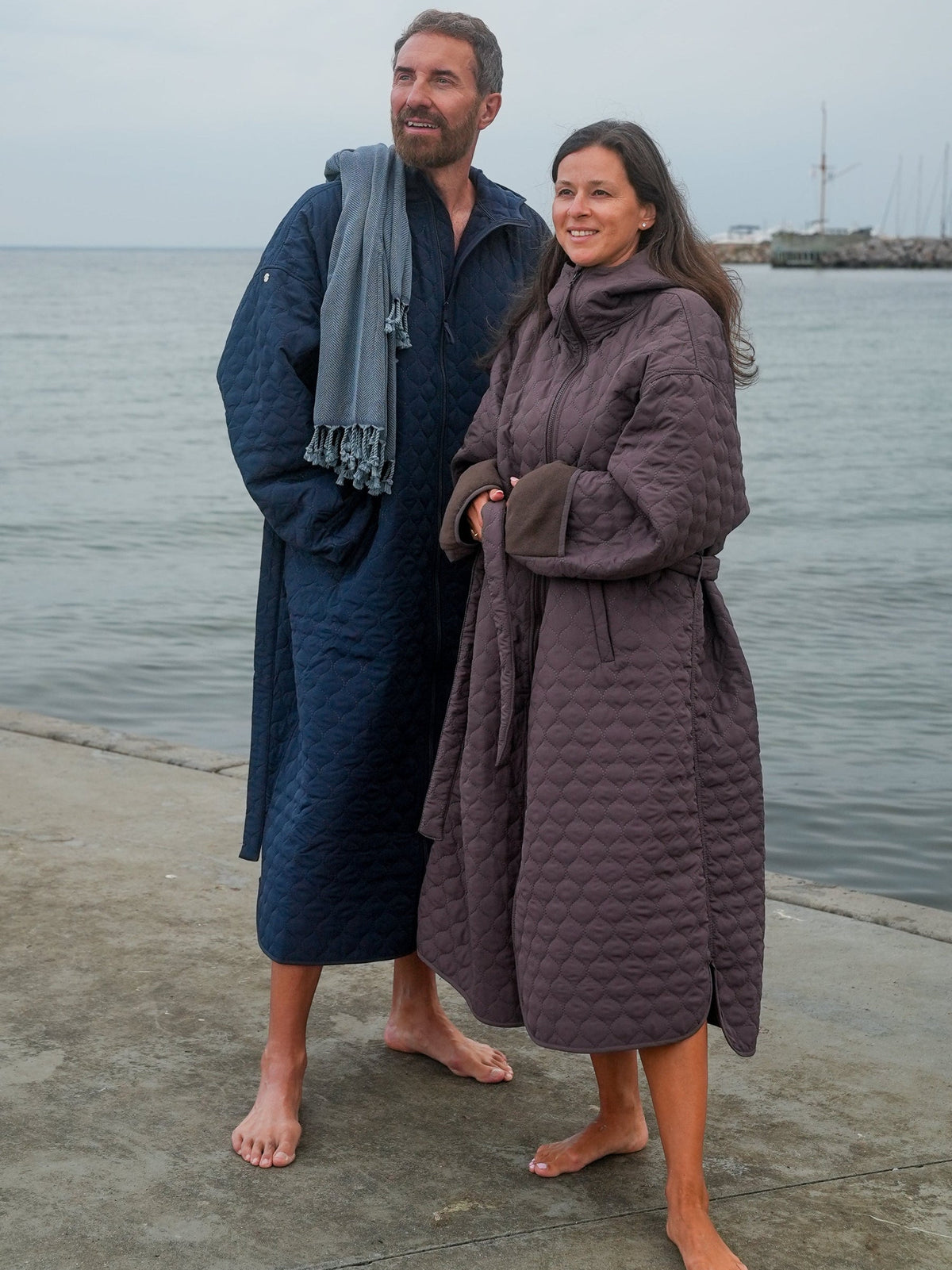
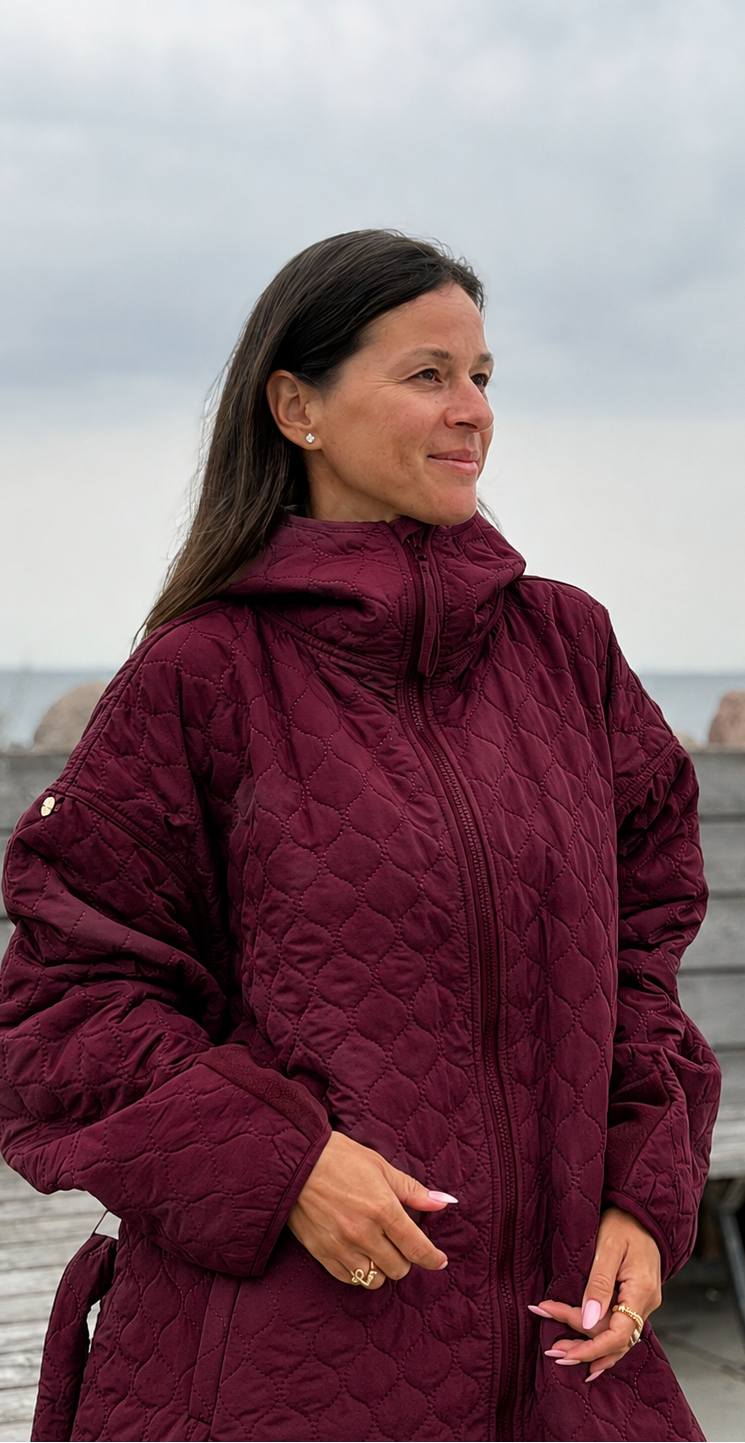
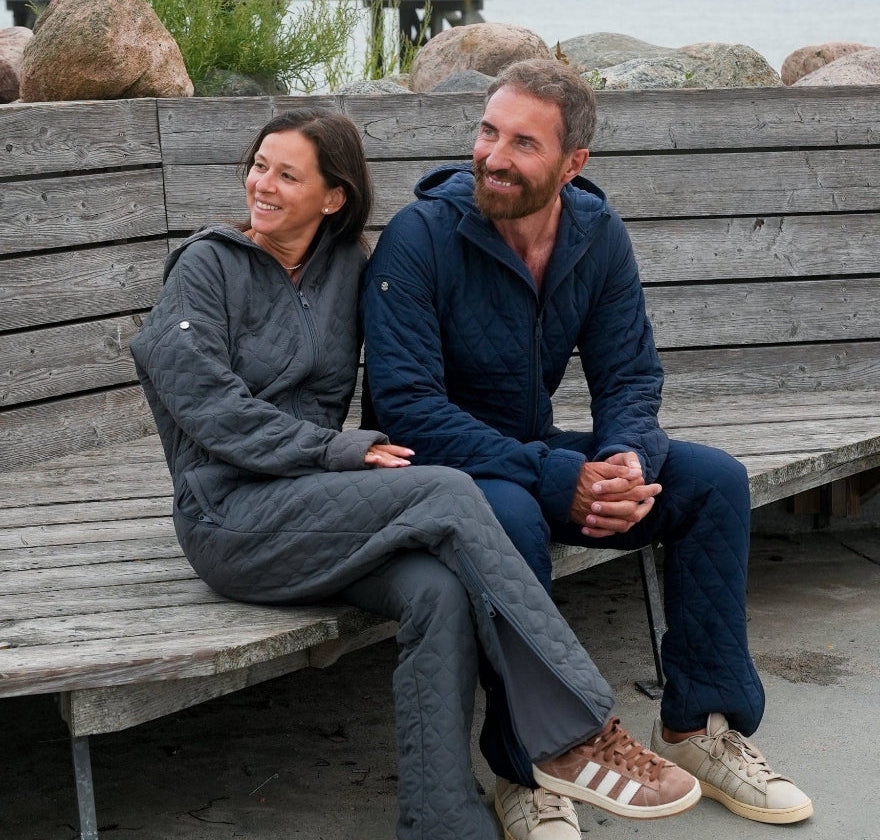
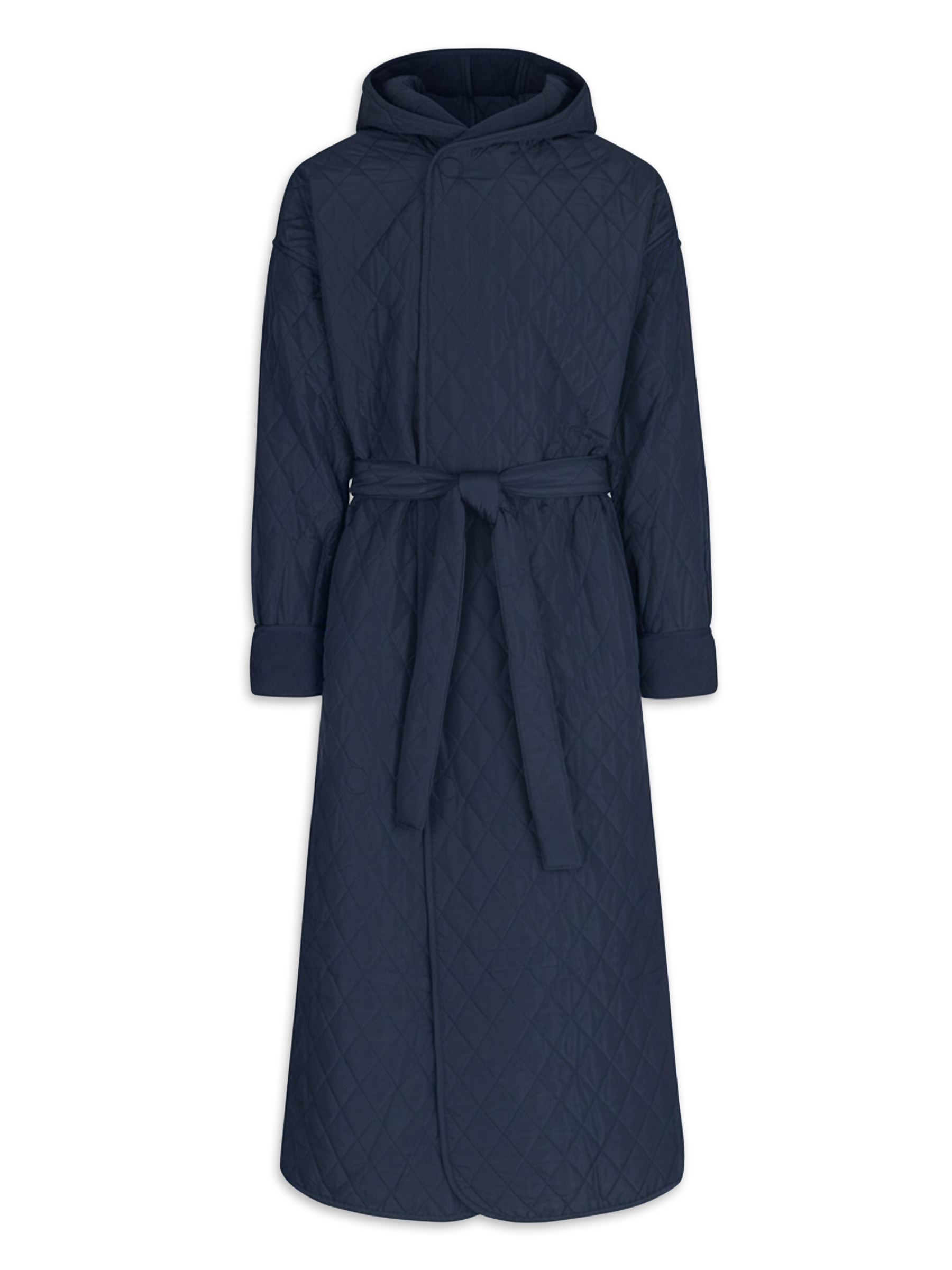
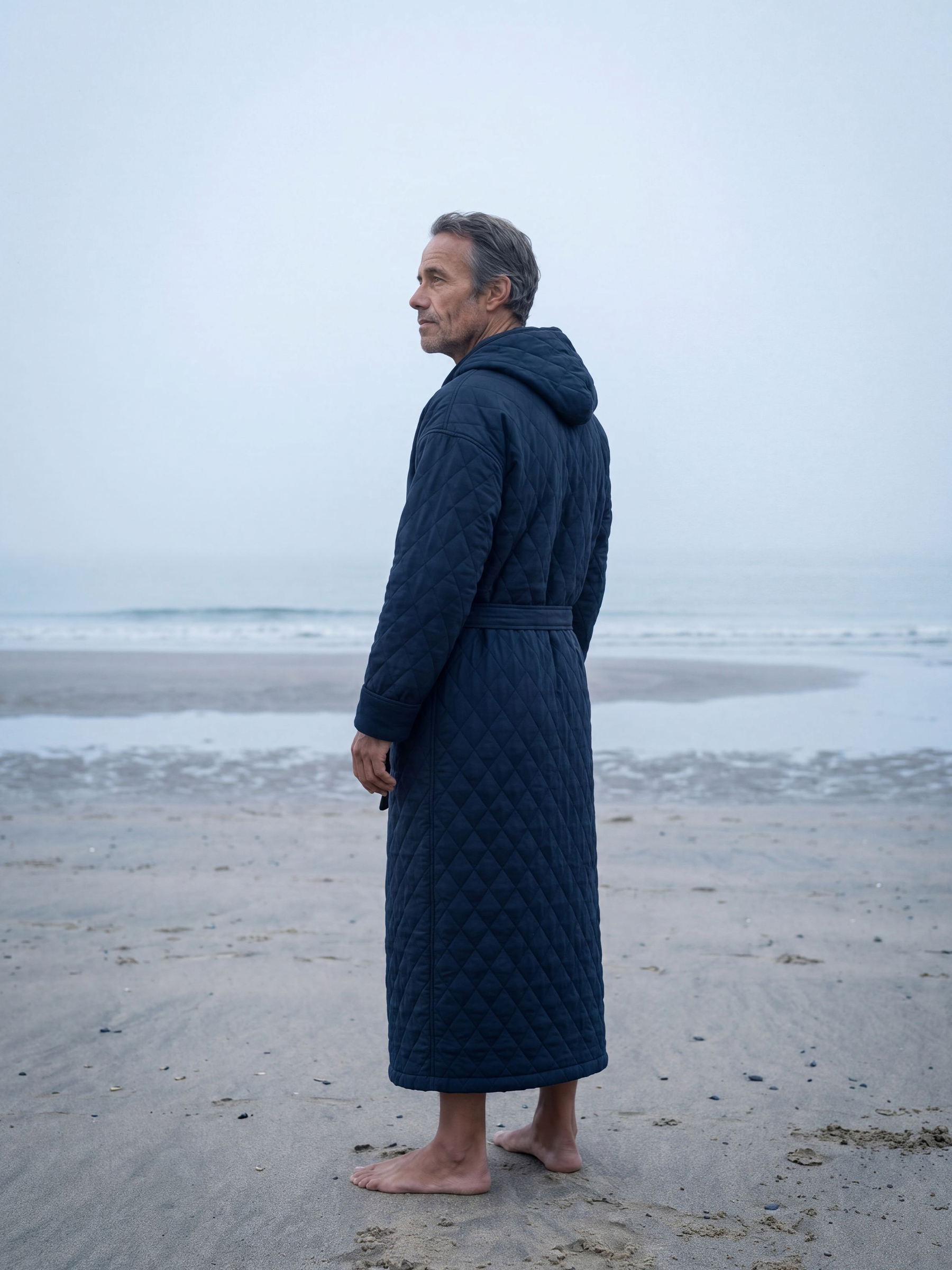
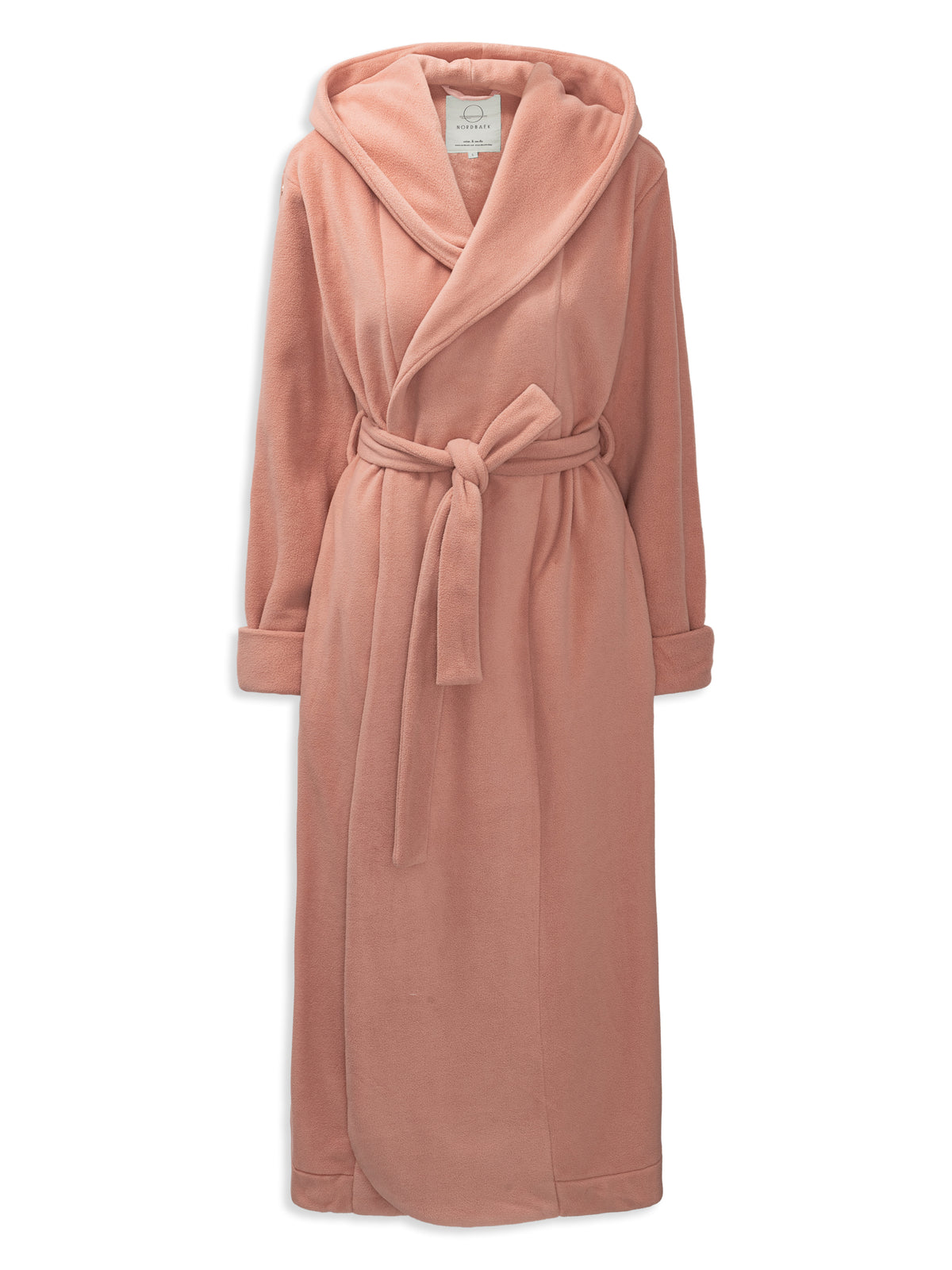
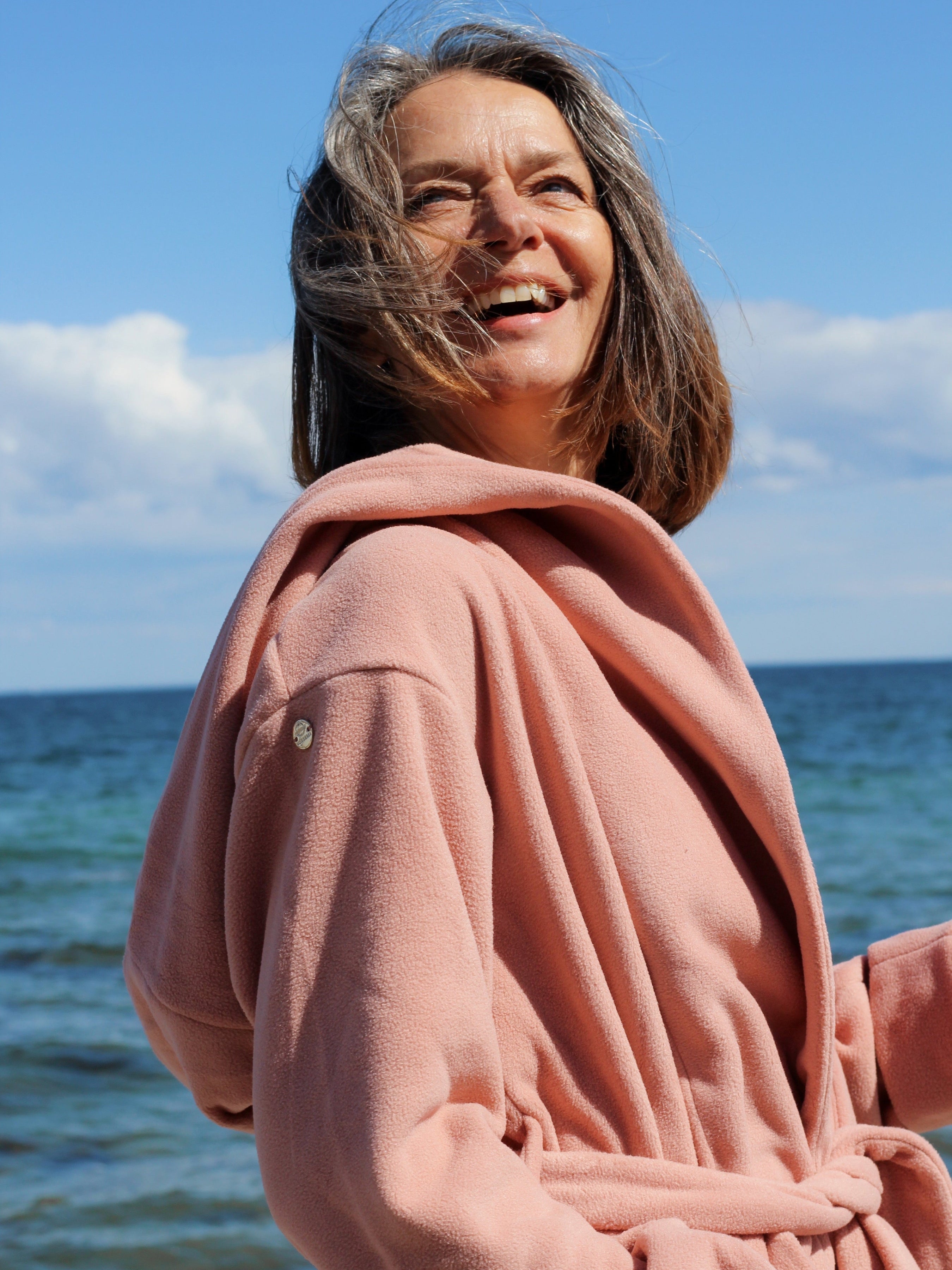
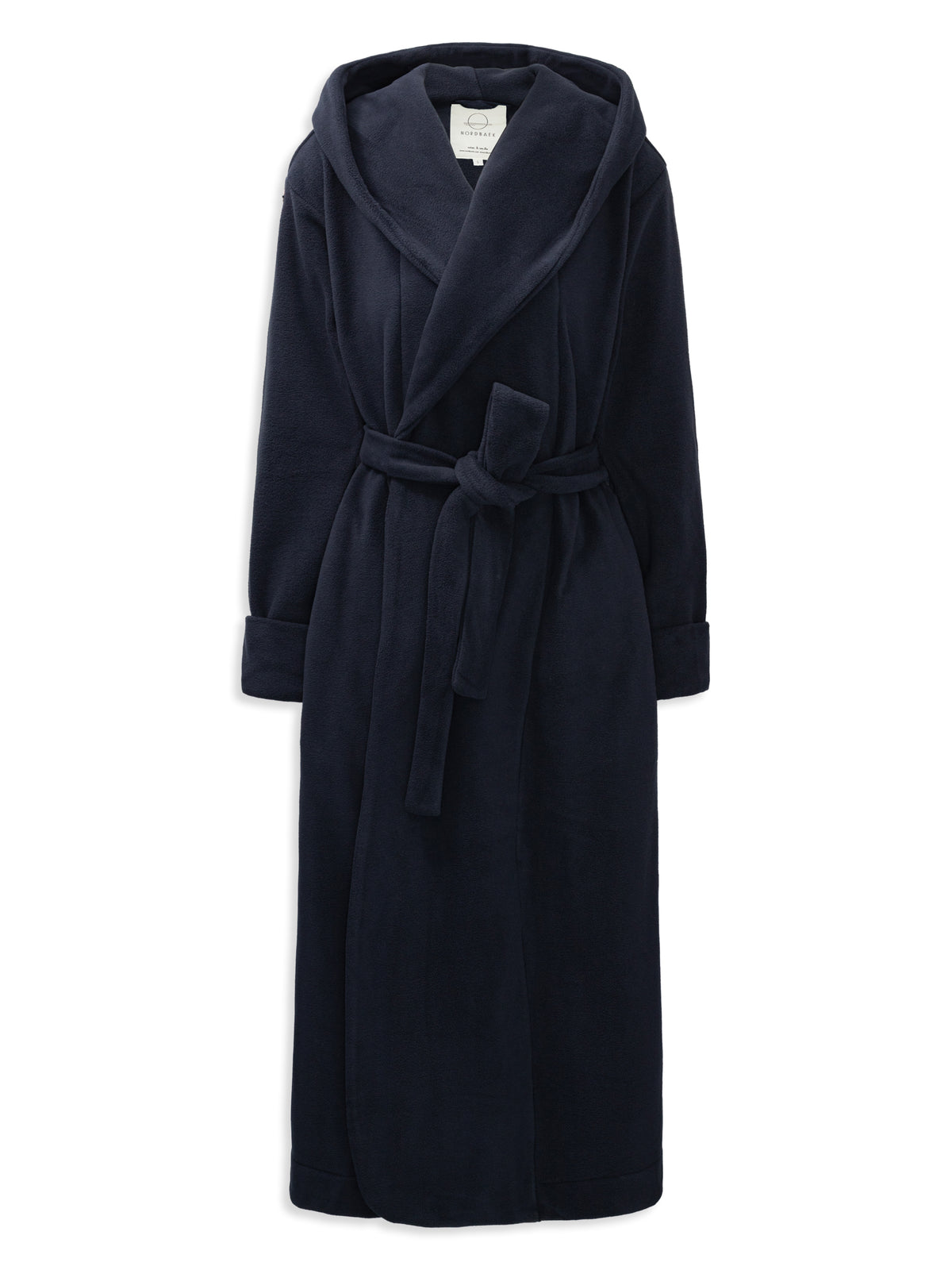
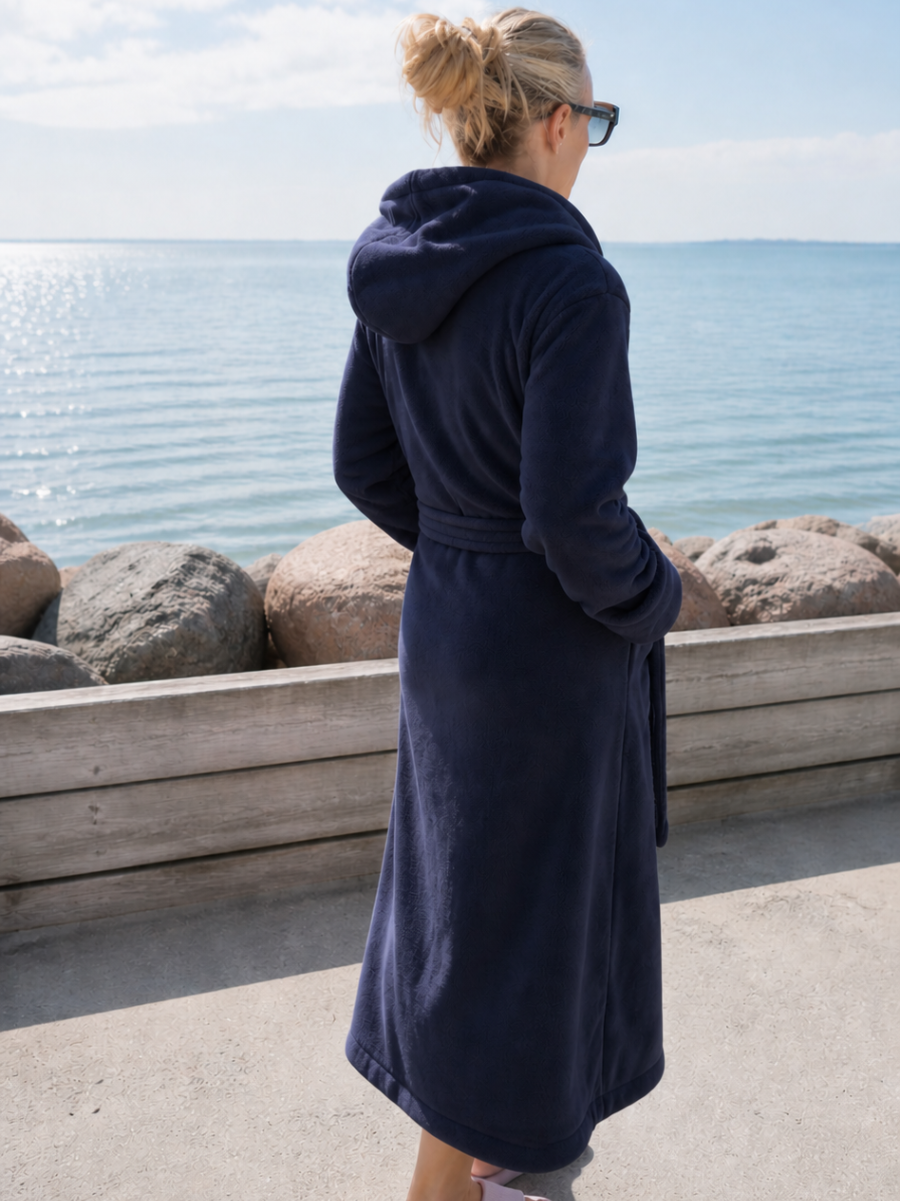
Changing outdoors on the beach, by the car or on the bathing pier can be a challenge. A windproof bathrobe in Thermo-Quilt is a soft and practical choice that will keep you warm in all kinds of weather by the sea.
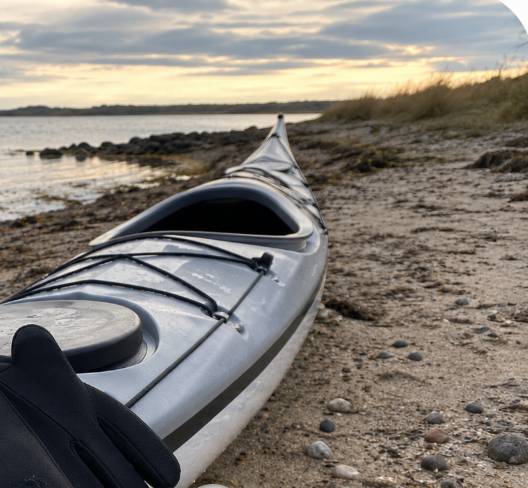
On cool days your hands can get cold from wind, spray and holding the paddle. Deep Tide Neoprene Gloves Unisex - Black are made from 3 mm neoprene and have anti-slip grip in the palm, giving you both warmth and a better grip.

Calm, presence and the cold thrill
Kayaking and winter swimming have something in common. Both invite you out into nature, into your body and into the present moment. You feel the weather, the water and your own breathing.
Some combine kayaking with a short dip in the summer months, while others enjoy the experience of being close to the sea. Go slowly, listen to your body and always choose conditions that feel safe.
With respect for the weather, a good partner and the right preparations, kayak trips can become a beautiful way to feel nature — quiet, strong and very close to the water.
Welcome to NORDBAEK's world for winter swimmers, nature lovers and those who enjoy life