



Skip to content

Cart

Your cart is empty

Continue shopping

Trending products

Long Beach Men's Bathrobe - Navy
Sea Glow Women's Bathrobe - Blush
Sea Glow Women's Bathrobe - Navy
RAYNARDS SYNDROM - HVIDE FINGRE
fødder & hænderAug 26, 20253 min read

RAYNAUD'S SYNDROME - WHITE FINGERS


WHAT ARE "WHITE FINGERS"? AND HOW DO I AVOID IT?


Do you sometimes get "white fingers" or "white toes" when you bathe in cold water or are outside in the harsh winter weather?

Do the tips of your fingers or toes become completely numb, waxy and chalk-white at the extremities when they get cold?

Then you probably have what is called Raynaud's syndrome ("white fingers"), which affects both fingers and toes. Fortunately, it is harmless, but it is unpleasant because your fingers become numb while they are white, and it can hurt a lot when they warm up again.

In this article we explain why the syndrome occurs and how you can reduce how often you experience it.


Facts


  • Raynaud's condition consists of attacks of white and cold fingers and toes that occur suddenly and often in cold and damp weather. They can be numb for the entire period they are stiff and cold.
  • During attacks the small arteries in the fingers or toes constrict. This limits blood supply, causing the fingers/toes to turn pale or completely white.
  • After a few minutes (it can sometimes take half an hour) the blood vessels open up again and blood rushes back in. This causes the fingers/toes to swell, turn bluish and then red.
  • It often hurts and tingles in the fingers/toes when they warm up again because the blood vessels expand.
  • Between attacks there are no symptoms. Attacks can be very bothersome, but fortunately they are harmless.
  • The most important thing is to keep yourself warm with gloves and boots in cold and damp environments.
  • If you smoke, you should stop, as this is the only factor we know that worsens the condition over time.
  • Medication has only limited effect on Raynaud's disease.


Treatment

There is no specific cure for the syndrome, but there are many ways to avoid being exposed to this unpleasant condition.

Treatment for Raynaud's syndrome is primarily about avoiding cold. You do this by wrapping up in warm clothing, gloves and similar items when you go out in cold weather.


The best prevention is: Keep yourself warm in cold and damp weather


  1. Wear wool socks 
  2. Wear warm boots with lining
  3. Bundle up well in general and don't forget to keep your wrists warm
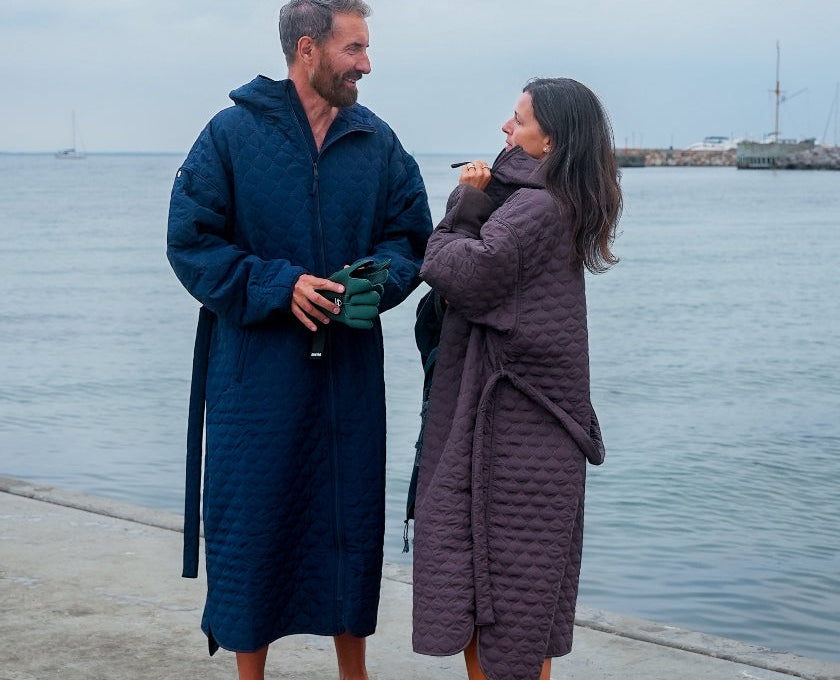
  4. If you are a winter swimmer, remember to keep hands and feet warm - both before and after your dip - remember mittens, gloves and warm footwear
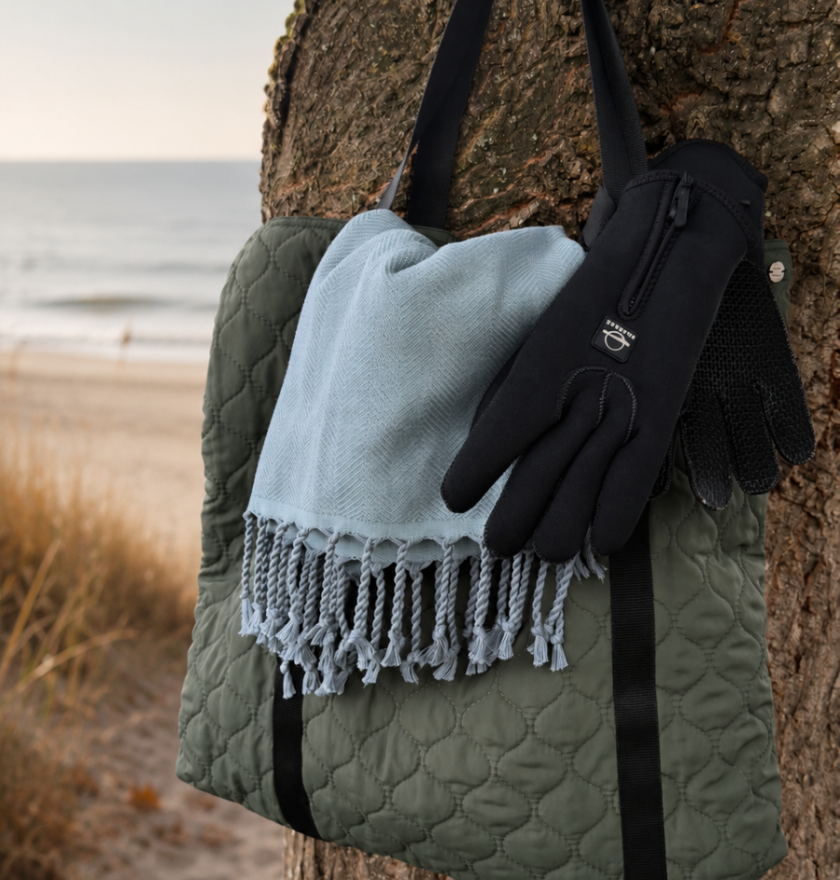
  5. Use bathing gloves, preferably made of neoprene
  6. Use water shoes 
  7. You should be able to easily put on and take off your bathing gloves and shoes so you don't get unnecessarily cold hands and feet in the meantime


[showproducts]


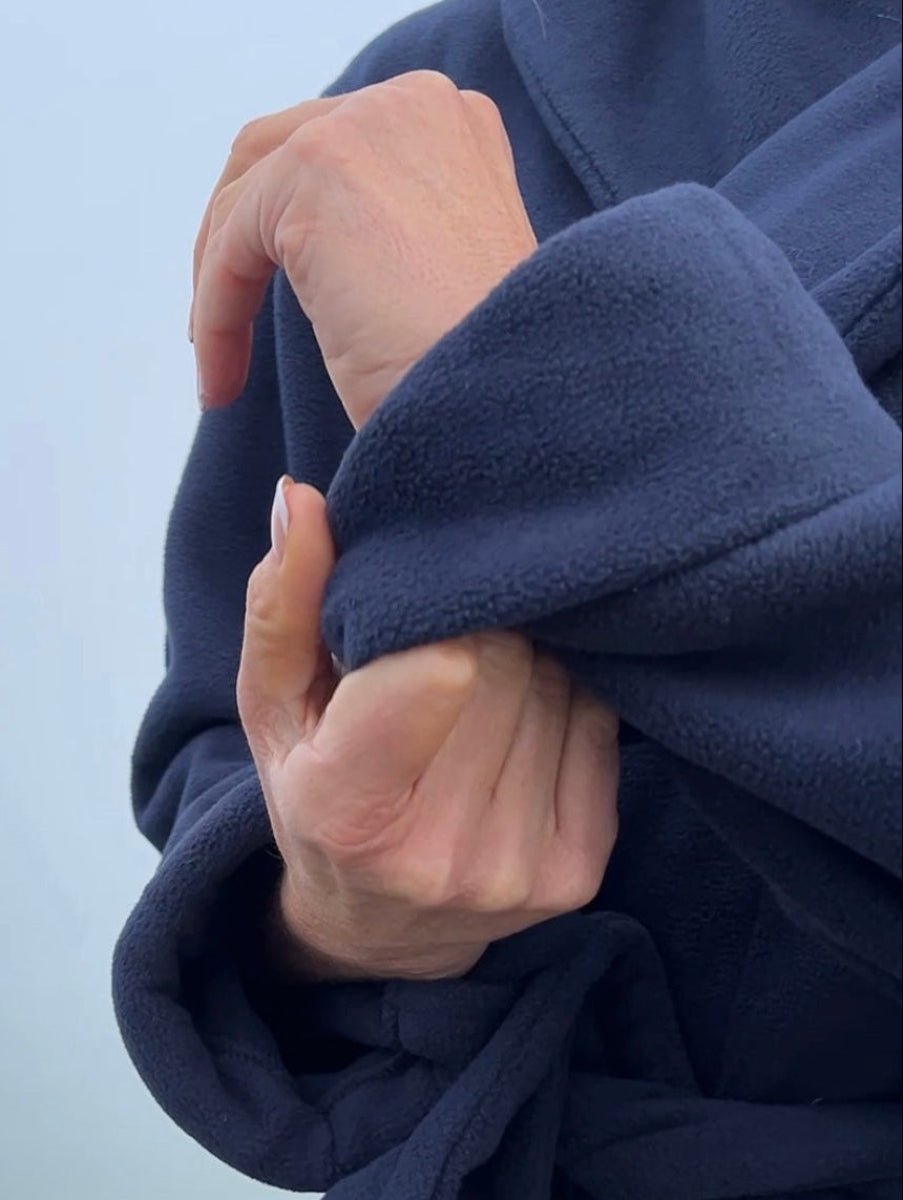
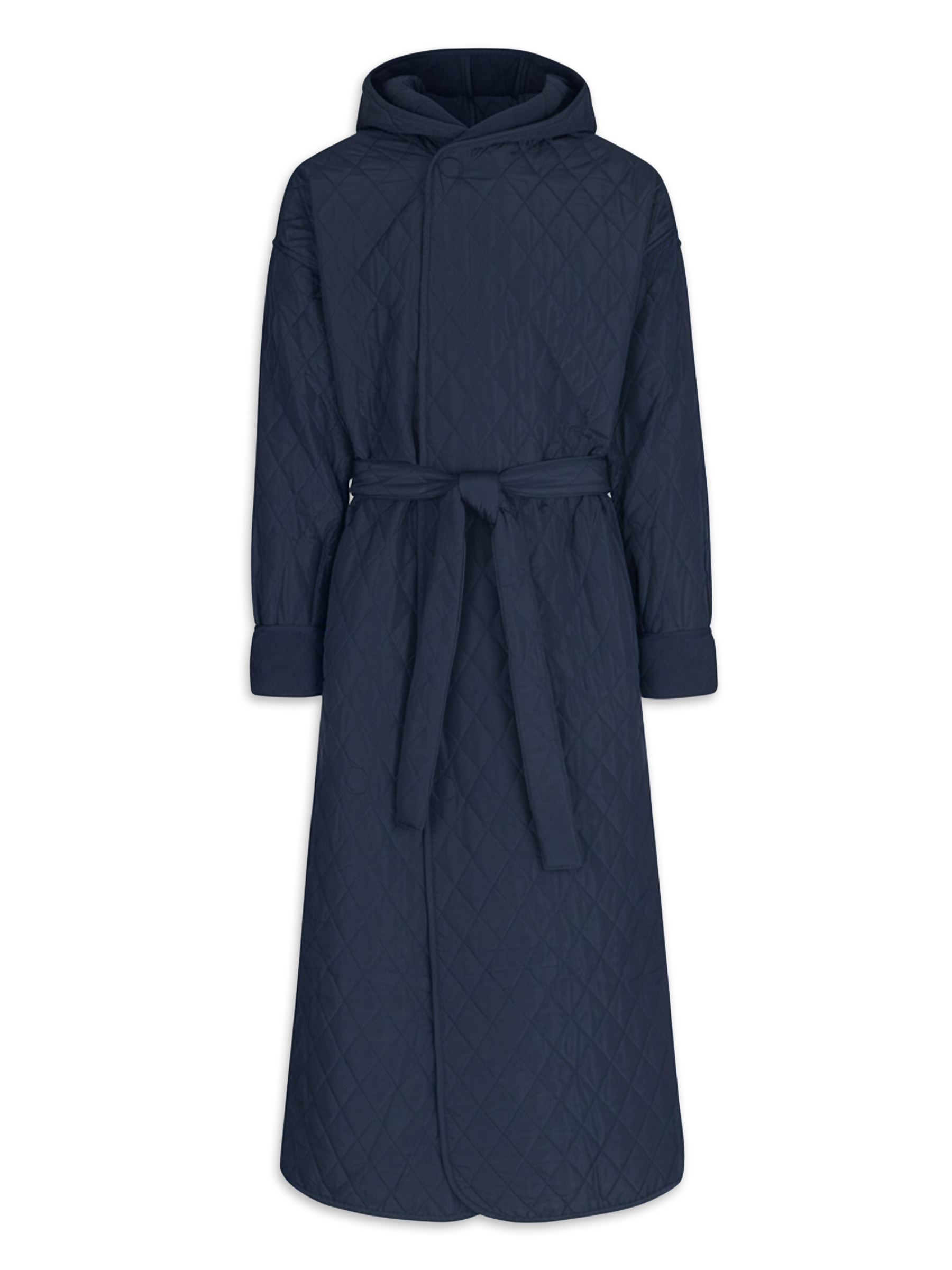
Did you know that our robes come with mittens that easily wrap your hands warmly - to and from your sea dip?


Causes of secondary Raynaud's syndrome


Raynaud's syndrome can be divided into primary Raynaud's syndrome and secondary Raynaud's syndrome.

In primary Raynaud's syndrome the cause is unknown. The condition can occur in otherwise healthy people. Primary Raynaud's syndrome most often appears after the age of 40.

In secondary Raynaud's syndrome there are various causes. It can be associated with other diseases, medication or work involving vibrating machinery.

Contributing causes of attacks can include:

  • Kidney disease
  • Diabetes
  • Smoking
  • Medical treatment with, for example, beta blockers


We hope you feel informed and that our advice can help you enjoy even more wonderful experiences in nature - without freezing,

Ida & Barbara


💙 We have everything for the winter swimmer, nature lover & bon vivant 💙

Welcome to our universe 
Share