









BERLINGSKE SAYS
FOCUS ON ORIGINAL DANISH DESIGN:
Berlingske Business, 22 November, 2021, comments on NORDBAEK;
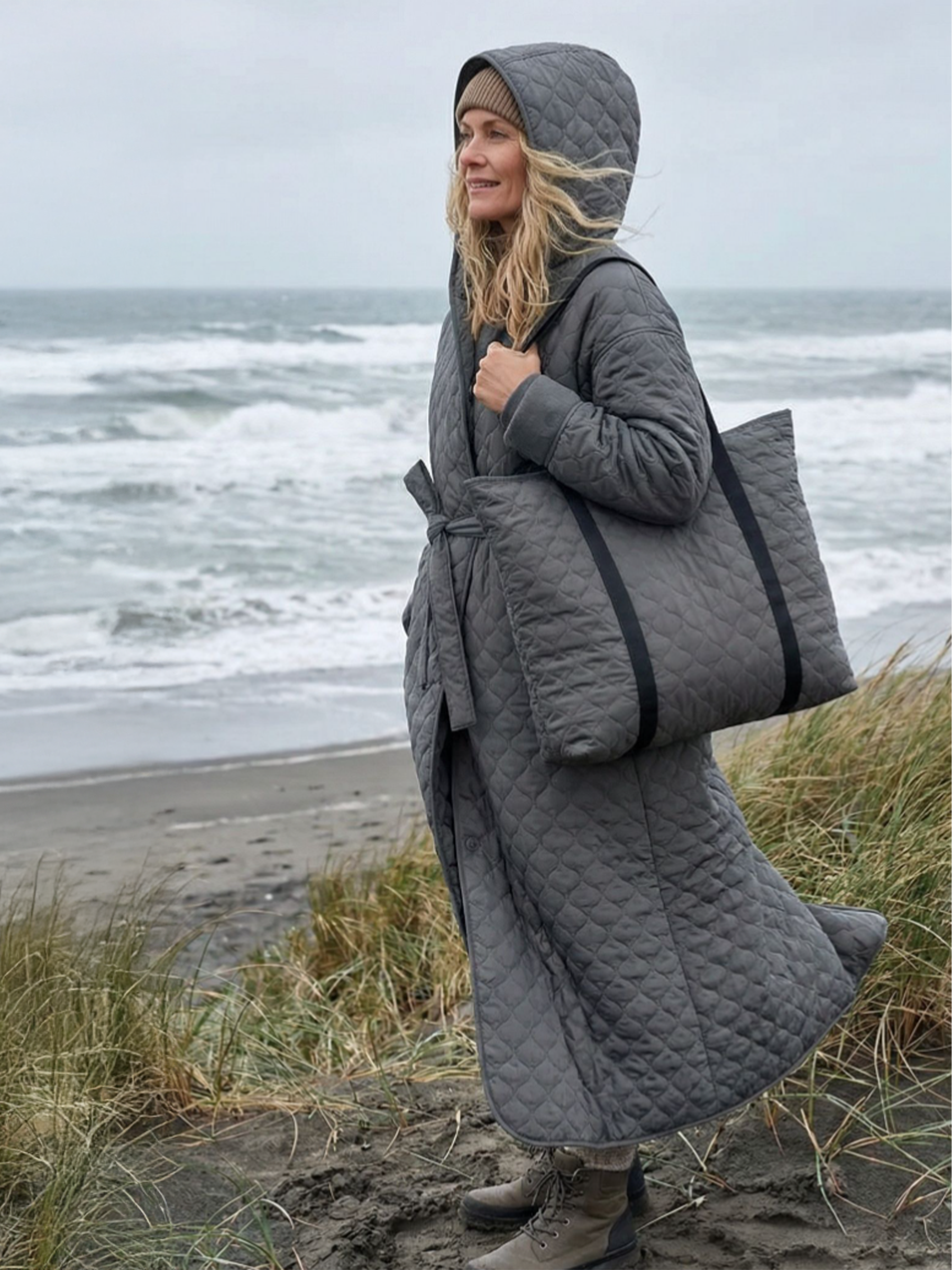
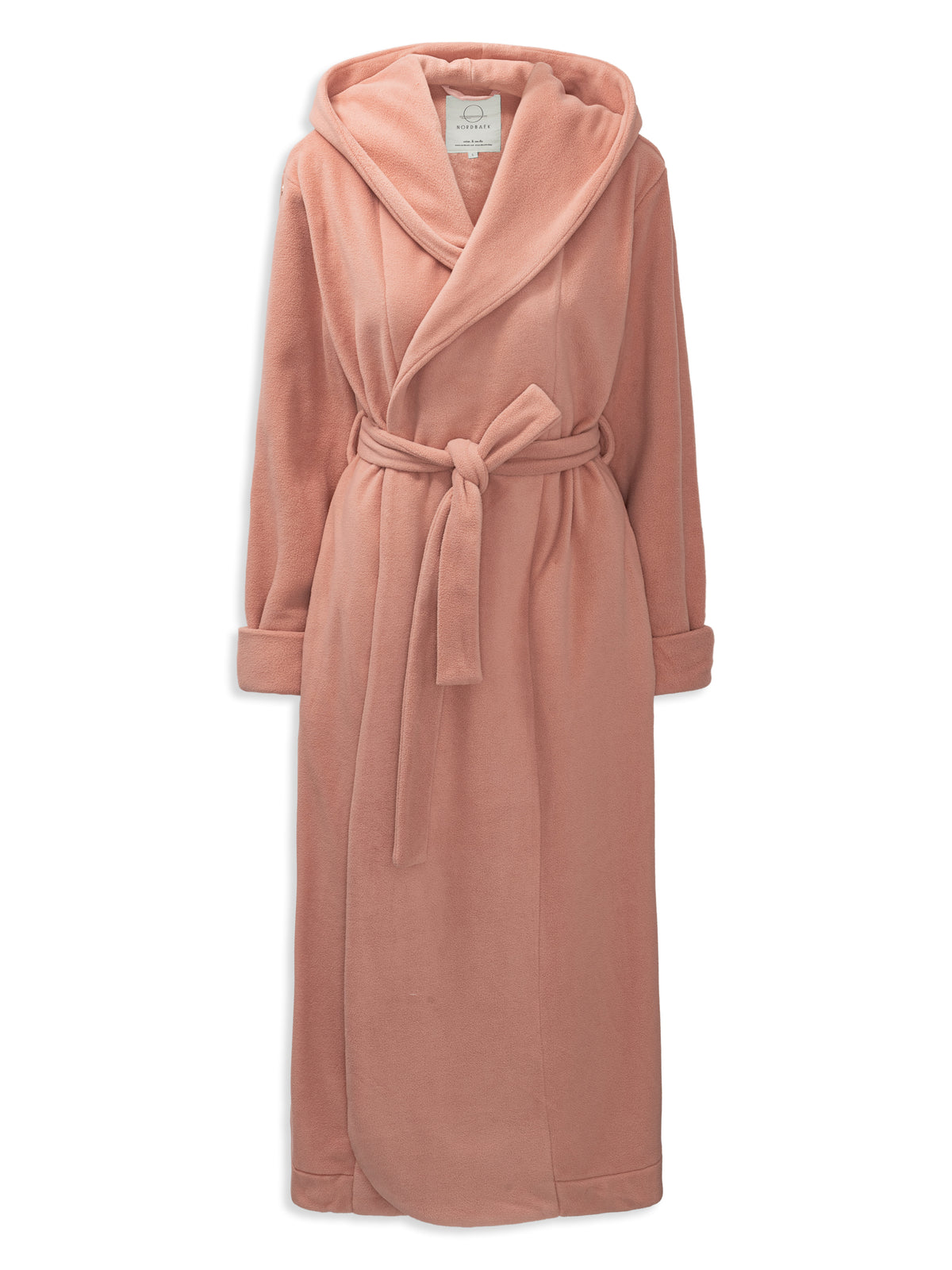
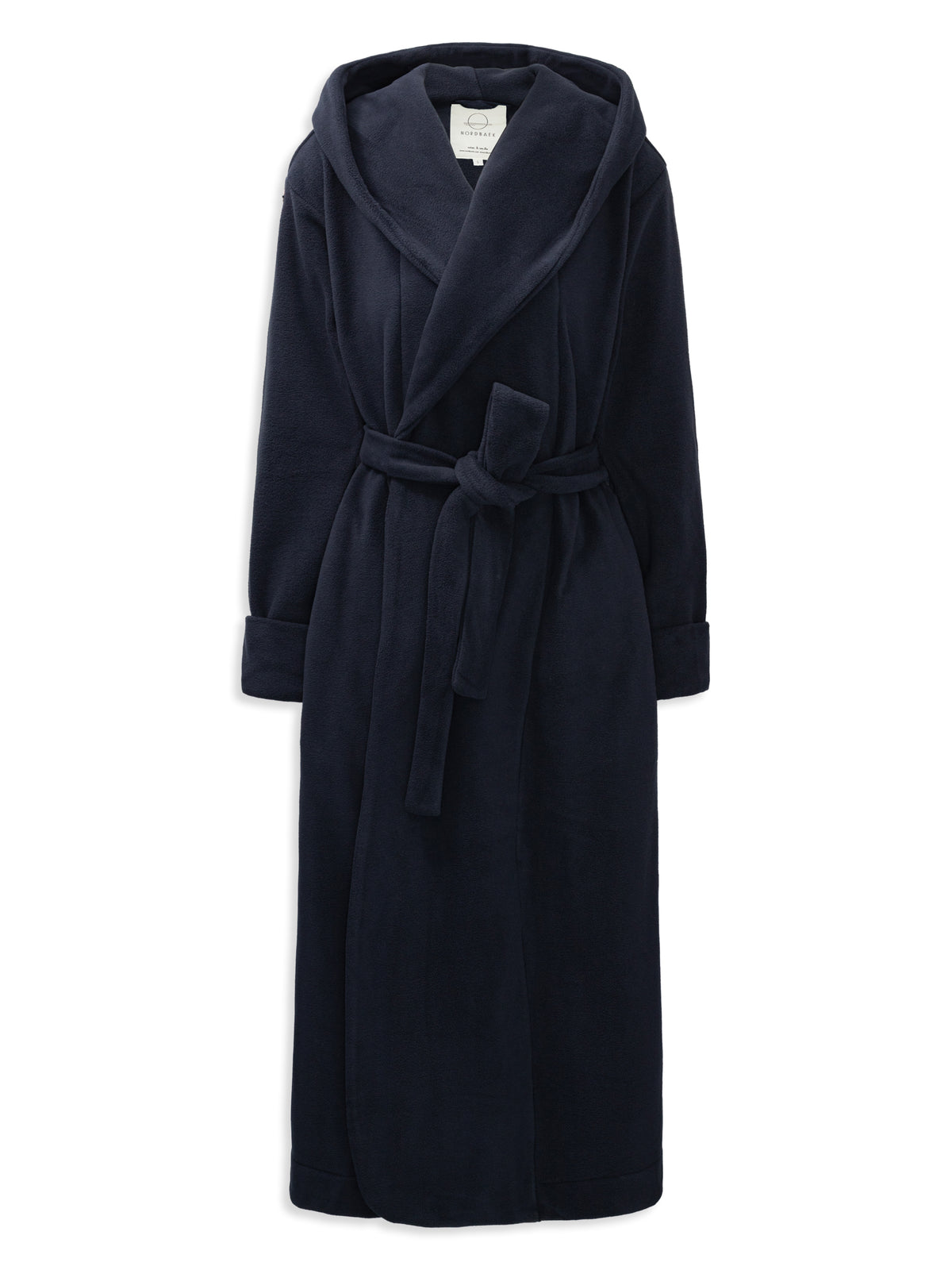
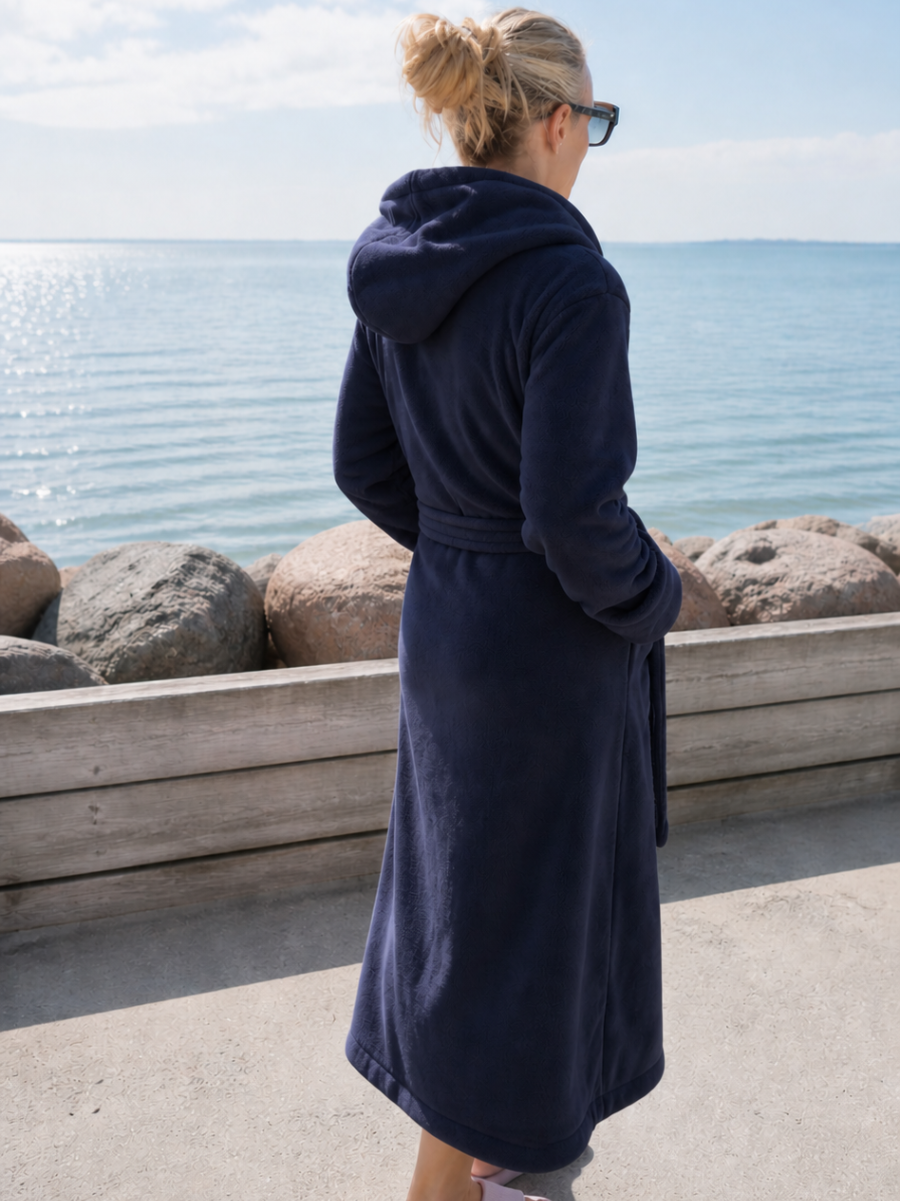
”When the two entrepreneurs Barbara Bentzen and Ida Krause founded the North Zealand company Nordbaek in 2017, which designs and sells exclusive winter bathrobes, they found for a long time that they were alone on the market with a unique product.”
READ THE FULL ARTICLE UNDER THE IMAGE:

Bitz plates, Netto pots and rainwear from Rains are only the tip of the iceberg: One in four companies experience being copied
Years-long plagiarism battles like the Christian Bitz and Anne Black cases draw enormous attention, but they hardly show the scale of the problem. EU figures indicate that one in four smaller companies believe they have been copied. Many do not dare to take the fight. SMVdanmark wants higher damages and access to legal aid.
BERLINGSKE BUSINESS by journalist Jonas Rimer Hansen.
When the two entrepreneurs Barbara Bentzen and Ida Krause founded the North Zealand company Nordbaek in 2017, which designs and sells exclusive winter bathrobes, they for a long time experienced being the only ones on the market with a unique product.
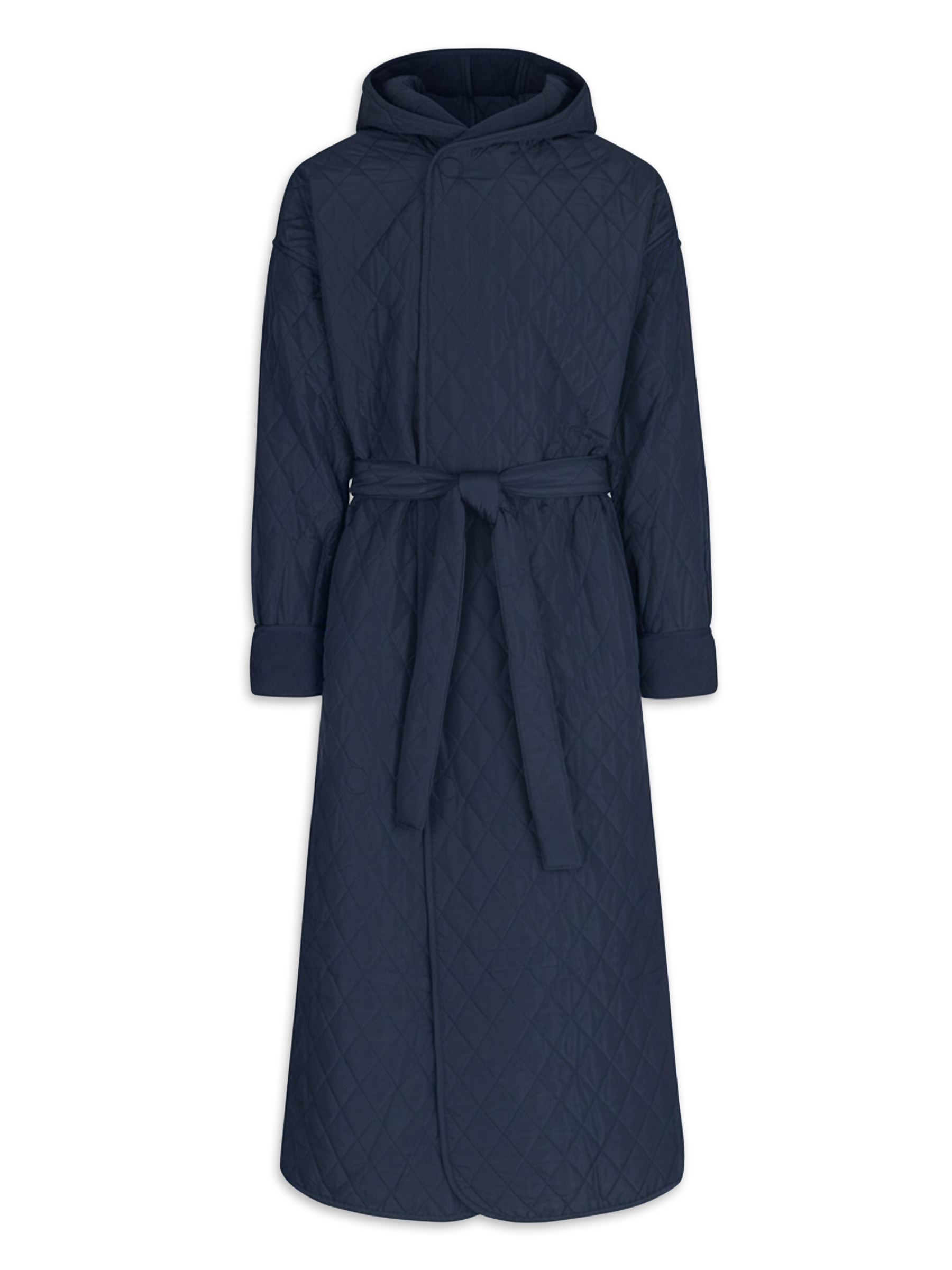
But in mid-2019 the first competitor appeared with a quilted winter bathrobe that closely resembles Nordbaek's.
It was another small company, and Nordbaek chose to file a lawsuit to try to protect what they believe is their design.
An expensive affair that ended with a partial victory. Nordbaek won that their boat coat was unique at the time of design. But because the competitor had made a small design change from the outset, they were allowed to continue.
”We spent several hundred thousand kroner on a case from which we didn’t really gain anything. And then more and more examples began to appear where we believe we have been copied. In some cases by large Danish chains that made a cheap version closely resembling ours. In other cases by major Danish design brands that, we believe, copied our styles, color palettes and price point,” says Barbara Bentzen.
She believes that protection of Danish design and entrepreneurship is far too weak. The experience made Nordbaek lose faith that, as a small company with only three employees, they can realistically do anything when they believe they are being copied.
Not at all against large players with entire legal departments.

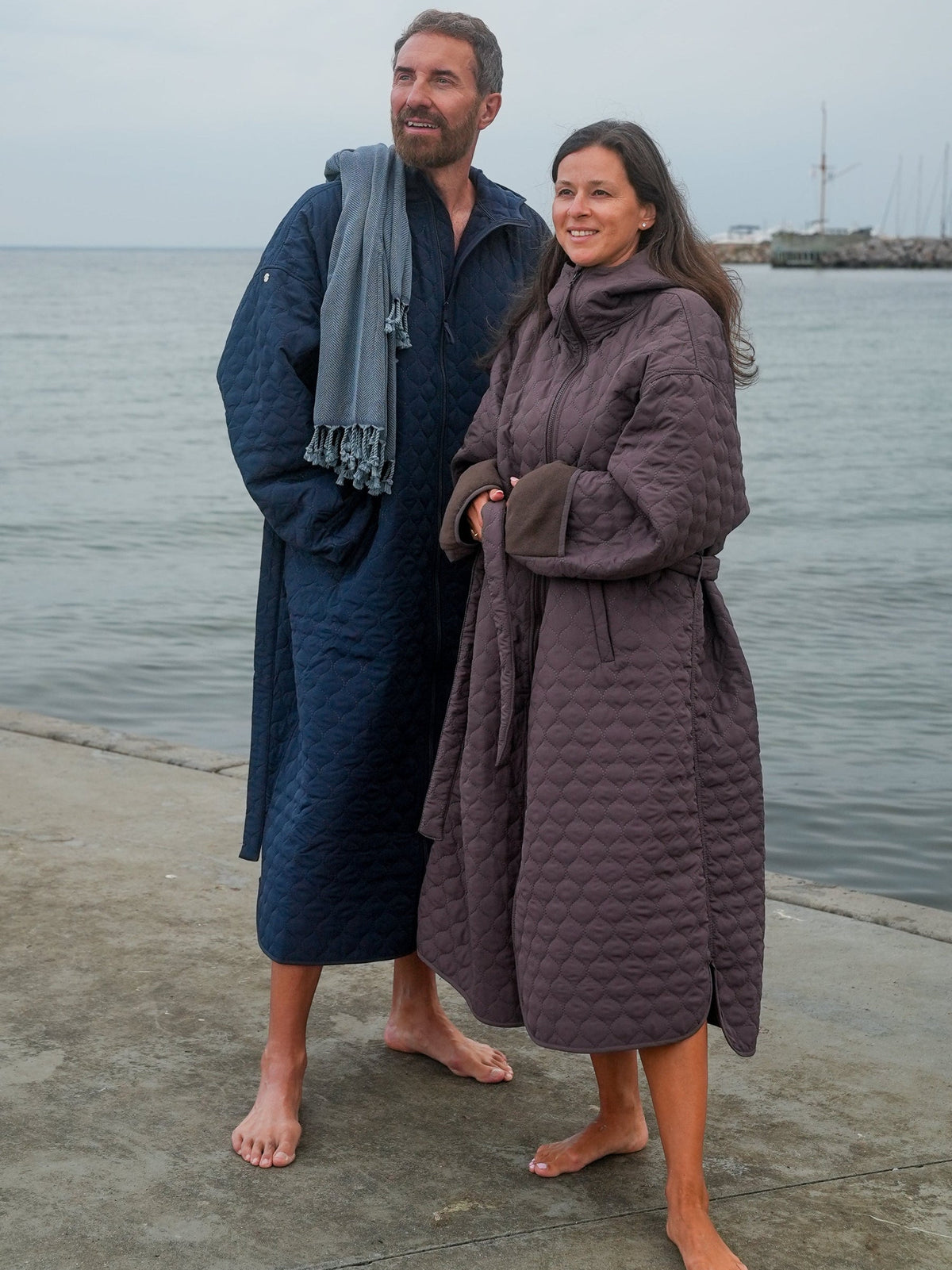
Barbara Bentzen (left) and Ida Krause started the company Nordbaek in 2017, where they design and sell winter bathrobes. They believe their product has been copied several times, but have given up pursuing the cases.
Photo: Asger Ladefoged.
”We tried to run a case once ourselves, and we’ve heard too many stories from other small companies who tried and ended up spending a lot of money without getting the copies off the market. We simply don’t believe in the Danish legal system in this area. I know several others who feel the same. We don’t have the time or money to pursue the cases, and frankly we don’t dare,” says Barbara Bentzen.
One in four feel copied
Nordbaek is far from alone in this view. Berlingske has been in contact with several small Danish design companies that also believe they have been copied by large players but do not dare to pursue cases.
Figures from – and brace yourself – the European Observatory on Infringements of Intellectual Property Rights (EUIPO) show that 23.2 percent of companies in the EU with fewer than 250 employees and intellectual property rights have experienced infringement of those rights.
In short: Believe they have been copied at least once.
At the top of the list is Denmark, where just over 38 percent of companies in the survey report experiencing being copied. But this should be taken with a grain of salt, as only 47 Danish companies are included in the large study.
At the interest organization SMVdanmark they therefore simply state that “at least one in four” smaller Danish companies experience being copied.
”It’s like David versus Goliath, where the big infringe the small. It’s insanely unfair, and a small company that has copyright by having made a cup with some artistic expression or another form of exclusivity finds it incredibly hard to go after the big ones,” says SMVdanmark deputy director Mia Amalie Holstein.
She also points out that it is not only a problem for the individual company.
”It’s also a problem for Denmark. If we have a society where your idea can easily be stolen, we stop inventing things,” says Mia Amalie Holstein, referring to other EU figures showing that small Danish companies lag behind neighboring countries like Sweden and Germany when it comes to bringing new innovative products to market.
Wars over ceramics and rain jackets
At home, several copy disputes in recent years have attracted enormous attention.
Most recently the case involving nutrition expert Christian Bitz and the wholesaler F&H, who twice were judged to have copied four products from potter Kasper Würtz.
In September Bitz and F&H were denied having their case heard by the Supreme Court. And while Kasper Würtz, following the judgment, has announced demands for a double-digit million compensation, a new writ had already been filed concerning 48 other products.
The Danish fashion company Rains, with around 100 employees, which makes rainwear and waterproof bags and accessories, entered in September into a confidential million settlement with the Spanish fashion giant Inditex, which owns Zara and has roughly 150,000 employees, after a multi-year process.
And then there is the perhaps most well-known case. Potter Anne Black, who in 2016 saw an offer in Netto’s flyer for a hanging pot, a bowl and a vase that so resembled her design that her first thought was, “where did they get my photos from?”
A case that has been rumbling on for six years.

Potter Kasper Würtz and the pottery firm K H Würtz have twice had court rulings that some of TV personality Christian Bitz's tableware is a copy of Würtz's ceramics. Archive photo: Mads Dalegaard/Ritzau Scanpix
Mount Everest without oxygen
In the first instance Anne Black was awarded damages of 1.5 million kroner in the Maritime and Commercial Court. Netto, owner Salling Group and the company Ronald, which produced the ceramics, offered to settle for the full amount if Anne Black would not insist that she held the copyright to the products themselves. Anne Black refused, and Netto appealed the case.
In the Eastern High Court Anne Black also prevailed – but the damages were reduced to 300,000 kroner.
That led Anne Black to apply to have the amount of damages – not the infringement itself – reviewed by the Supreme Court, which has been approved. The opposing party has then requested that the infringement question itself also be tried a third time.
Director of Anne Black ApS Jesper Moseholm believes supermarket chains should ask themselves whether they are willing to sell copies of Danish designers knowing that it can have serious consequences for smaller companies.
”This entire lawsuit is really about the extent to which it should be possible to sell copies of Danish design in Danish supermarkets. Most people can probably imagine that it hardly benefits Danish designers if you sell copies of Danish design in, for example, Netto,” says Jesper Moseholm.
He believes damages in such cases should be of a size that deters even large corporations from getting too close to smaller designers’ products.
The 300,000 kroner award, according to Jesper Moseholm, in no way matches either the money Anne Black has spent on the case, the enormous time consumption, or the infringement.

Director of Anne Black ApS Jesper Moseholm is deeply baffled that the compensation from Netto was calculated based on what Netto earned from selling the ceramics that closely resemble Anne Black’s. “Let’s say you copied the Mona Lisa and sold the painting for 20 kroner. Do you think the Louvre would be satisfied with compensation of 20 kroner?” he asks.
”I hardly know how to describe it. It has effectively been an impossible task. Being in nearly six years of litigation against Salling Group has been like climbing Mount Everest without oxygen. It is almost impossible to succeed, and you are hugely challenged. As a small company without expertise in the area, you are more or less at their mercy if you attempt to enforce your rights,” says Jesper Moseholm.
If the Supreme Court ends up increasing the damages for Anne Black, the company might consider initiating a case again if something similar happens in the future. If not, it is pointless, says Jesper Moseholm. Anne Black would go bankrupt trying.
The Anne Black case stands for Barbara Bentzen at Nordbaek as a horror example of how expensive and wearing lawsuits are. And how little you can end up getting out of it, even if you win.
”It’s completely deterrent. We simply couldn’t run such a case against such a big player for so many years. It’s impossible. And when a case that seems so clear can go on for so long, we wouldn’t dare either,” says Barbara Bentzen.
People always root for David
At Netto, director Michael Løve acknowledges small companies’ perception that big companies they feel aggrieved by can use their size and finances to pursue long legal battles.
He emphasizes several times, however, that Netto “has done everything we could to close this case once and for all,” and that the group has tried to take into account that they are the big party and Anne Black the small one. The director points, among other things, to the offer of a settlement and that they did not appeal the district court’s ruling.
”We know well that sympathy rarely lies with ‘the big one,’ and there is no doubt that this case has been very damaging to Netto’s image. In David versus Goliath people always root for David, even though Goliath may have a point,” says Michael Løve.
So what is the reason you want the infringement question itself tried again?
”Anne Black has again chosen to pursue the case, this time to the Supreme Court. And if the size of the damages is to be reconsidered at their prompting, we also believe there are some fundamental issues about the infringement and copyright that we disagreed with in the High Court’s decision that should be revisited,” says Michael Løve.
It concerns the copyright itself to the designs the chain has been judged to have copied.
”We do not, in principle, believe one can have copyright to a – with all due respect – ordinary, white, single-colored, cylindrical vase. If Anne Black gets the right to that design itself, how many other potters in the future will have to wonder whether they infringe her copyright?” asks Michael Løve.
Many will say that it’s not about that one white vase, but that you made three designs at the same time that closely resembled Anne Black’s designs and even displayed them next to each other like hers?
”Yes. And that is a perfectly fair question and discussion to raise. Arranging products like that is what we were found to have breached the Marketing Practices Act for. We were asked to pay compensation for that. But that is another matter than owning the right to a given design. So it’s two different things we are accused of. We don’t argue with the breach of the Marketing Practices Act, but that it should be a breach of Anne Black’s copyright to have produced a product that is so ordinary in its design,” says Michael Løve.

It is the copyright on this vase that Netto, Salling Group and Ronald A/S now want to have retried in the Supreme Court on the grounds that they do not believe Anne Black can own the rights to something that, according to Netto director Michael Løve, is “so ordinary in its design.” On the left is Anne Black’s vase, on the right Netto’s version.
Photo: Thomas Lekfeldt.
Higher damages and legal aid
Back at SMVdanmark, Mia Amalie Holstein believes damages should generally be higher than today if one is found to have infringed someone’s copyright. And it would be a good idea if small companies could apply for legal aid in these types of cases, she says.
”If you win a case today, the penalty only relates to what the infringer has earned on the product. Not the full damage suffered by the aggrieved party. The penalty for, for example, taking a cup or plate to Asia and having it copied is simply not severe enough,” says Mia Amalie Holstein.
She is supported by associate professor and PhD at CBS Stina Teilmann-Lock, who is an expert in design and copyright. Stina Teilmann-Lock explains that even if small designers take up the fight, damages in such cases often do not match the resources they must invest in the case.
”Small designers and other small companies that are copied suffer a large loss of what is called reputational capital and can find it difficult to recover. They spend a lot of time positioning themselves in the market and building a value that allows them to sell something for 500 kroner instead of 20 kroner. They suffer a large loss when they are copied,” says Stina Teilmann-Lock.
Stina Teilmann-Lock therefore calls it wrong when courts only award damages based on what the person found to have copied has earned from selling the copied products. That could be, for example, ceramics. Or winter bathrobes.
Both at Anne Black and Nordbaek SMVdanmark’s proposals are sweet music in the attempt to protect themselves from being copied.
”The legislation doesn’t work in practice if it cannot be enforced. Not many of Anne’s colleagues could have done what we have done. Financially we have not won from it, but on the contrary lost heavily. If it is economically very disadvantageous to enforce the law, it simply will not be enforced,” says Anne Black director Jesper Moseholm.
Netto does not accept the premise
The dispute over the size of the damages in the Anne Black case is precisely about how the amount should be calculated.
On Anne Black’s side Jesper Moseholm argues that it makes no sense to calculate damages based on what the infringer earned from the products. Anne Black as a brand and company has suffered much greater damage and over the past years lost the majority of the business on the ground, he says.

The original Anne Black products together with the series from the company Ronald that in 2016 was sold in Netto.
Photo: Thomas Lekfeldt.
On the other side of the table Netto director Michael Løve acknowledges there can be debate about how exactly to determine the size of the loss a wronged company has suffered. But he does not agree with SMVdanmark and Jesper Moseholm that the hammer should, as a starting point, fall harder.
”The vases that Anne Black claims were copies sold for just over 300,000 kroner in Netto in 2016 and led to a lot of sympathy for Anne Black. For that reason there is no reasonable link between our sale of vases and the large decline Jesper Moseholm claims the company has suffered. The publicity they have received has made Anne Black a very well-known brand. So I do not buy the premise and find it a completely unfair claim,” says Michael Løve.
On the other hand, he sees the other part of SMVdanmark’s proposal about the possibility of legal aid positively, since it “of course is easier for us as a large company to handle such a lawsuit.”
”In principle we in Netto always try to resolve such matters in a fair and proper way. If we were to receive a complaint, we take it very seriously, even if a manufacturer approaches us without a lawyer. I do acknowledge the challenge for smaller companies and think it is entirely reasonable to consider whether one can set up more generous criteria for legal aid,” says Michael Løve.

The Anne Black case stands for Barbara Bentzen and Ida Krause as a kind of warning about how expensive and wearing it is for a small company to take up the fight if they believe they have been copied by a large company.
Photo: Asger Ladefoged.
Read the article in Berlingske Business
(requires subscription):
Read more

It's not only in Denmark and the Nordic countries that we love winter bathing. In English, winter bathing is called everything from wild swimming, wild water swimming, and cold water swimming to w...
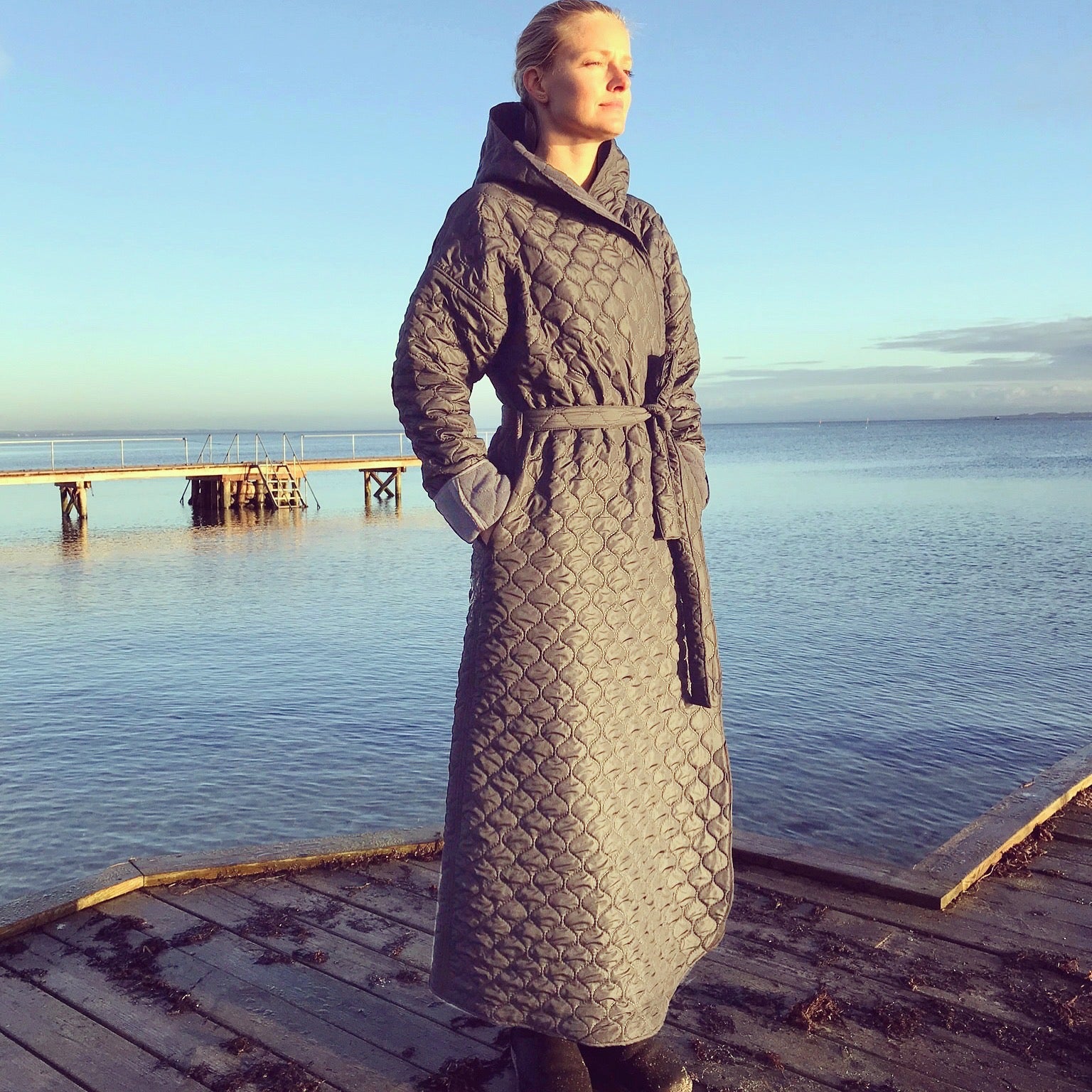
This is a photo of one of our very first robes, from the first production in 2017. The whole idea behind the NORDBAEK robe was that we wanted to design a robe that would specifically cater to the ...